Msc Thesis
It stems from Berg’s Ber25 study, which lacks information on cooperation in gamified software testing education. This avenue is therefore being explored in the current master thesis. Following a literature review of testing, gamification, and cooperation, cooperation was fostered through interdependence among team members, and selected game elements are achievements. The IntelliGame plugin, in Berg’s modified version, was reused and adapted to meet the current requirement. An experiment was carried out to test the effects of cooperative gamification on students’ performance and motivation. During this experiment, students were split into two groups : one with gamified cooperation and the other without. The sample size did not permit statistically significant results. Nevertheless, it seems that students in the non-cooperative group performed slightly better. These results might have been impaired by a bug that occurred during the experiment and that impacted the group more severely in cooperative settings.
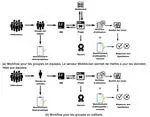
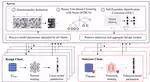
Researchers and practitioners have developed automated test case generators for various languages and platforms, each with different strengths. Comparing these tools requires large-scale empirical evaluations, which demand significant setup and analysis. The JUnit Generation benchmarking infrastructure (JUGE) automates the production and comparison of Java unit tests for multiple purposes, aiming to streamline evaluation, support knowledge transfer, and standardize practices. This master’s thesis will use the existing JUGE infrastructure to conduct an extensive empirical comparison of unit test generators for Java, and provide the resulting dataset to the research community.