
Odoo, a company offering business management services through a modular web application, has continuously expanded the scope and complexity of its software over the years. This growing complexity raises challenges in terms of testing performance, readability, and maintainability. While existing tools such as Tours and Hoot provide solutions for system-level and unit-level testing respectively, a gap remains between the two. This thesis introduces a new approach called Hoot-Intégration, which extends the Hoot testing framework to support integration testing by enabling real server interactions in a lightweight environment. The proposed solution is implemented, validated, and compared against existing tests strategies from Odoo, showing notable gains in execution speed and test clarity. Although some technical limitations remain, the approach is effective and opens the door to future testing improvements in large and scaling modular systems like Odoo.

The Reliability of ML-enabled systems (REALM) project is scientific cooperation projects with France under the Hubert Curien Tournesol Program. The TOURNESOL program is implemented by Wallonie Bruxelles-International (WBI), in partnership with the F.R.S.-FNRS and for France, by the Ministry of Foreign Affairs, in liaison with the Ministry of National Education, Research and Technology.

The Software Quality through Artificial Intelligence (SQUAL.AI) project is a Brazilian National Council of State Funding Agencies (CONFAP) and Wallonie-Bruxelles International (WBI) joint research and innovation project.

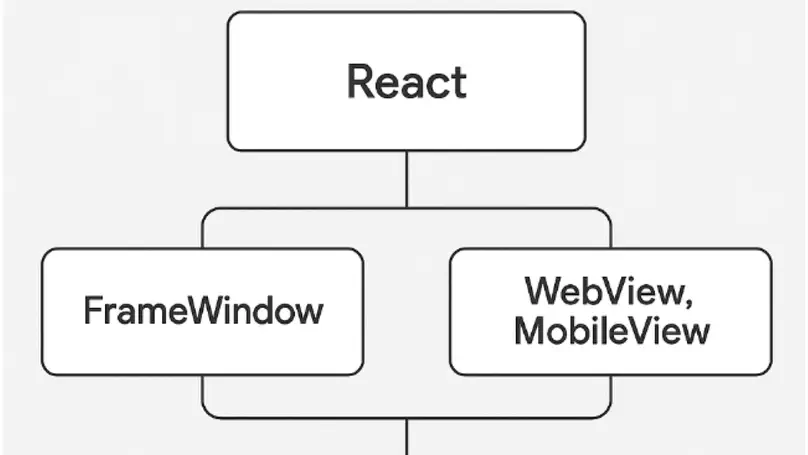
The evolution of digital usage has led to a rapid diversification of application runtime environments, ranging from traditional web browsers to immersive extended reality (XR) devices, as well as mobile and desktop platforms. This plurality of environments creates a growing need for solutions that can deliver a consistent user experience while minimizing the development and maintenance efforts associated with multi-platform deployment. However, current approaches often rely on separate implementations for each environment, leading to code duplication, visual and functional inconsistencies, and increased complexity in managing software evolution. These limitations hinder portability and slow down the time-to-market of multi-platform applications.

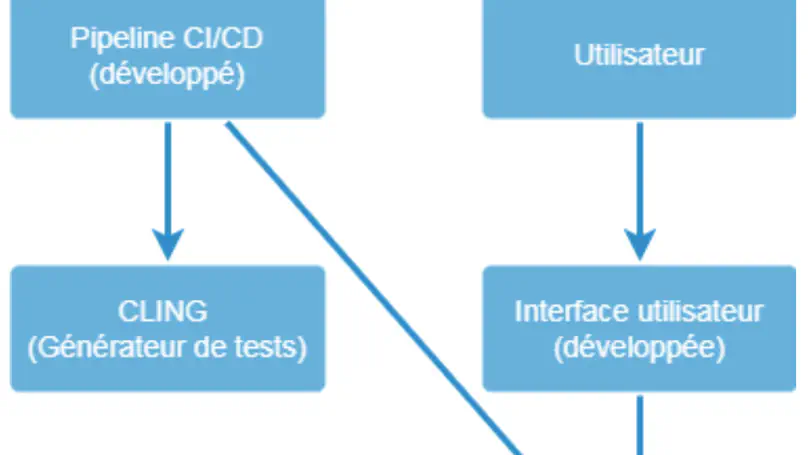
This thesis investigates the impacts and challenges of integrating CLING, a test generator for Java, into CI/CD (Continuous Integration/Continuous Deployment) pipelines. In a context where test automation is essential to ensure software quality, CLING generates integration tests automatically. Integrating this tool into a Docker environment standardizes and isolates the environments, thus ensuring consistent test execution. The work addresses the technical challenges encountered during this integration, such as configuring and automating necessary operations. It also describes the development of the API used to manage the data generated by CLING. The results show an improvement in the efficiency of the development process, particularly through the reduction of manual interventions. Finally, the thesis offers recommendations for developers and DevOps engineers looking to optimize the integration of test generators into their CI/CD pipelines.

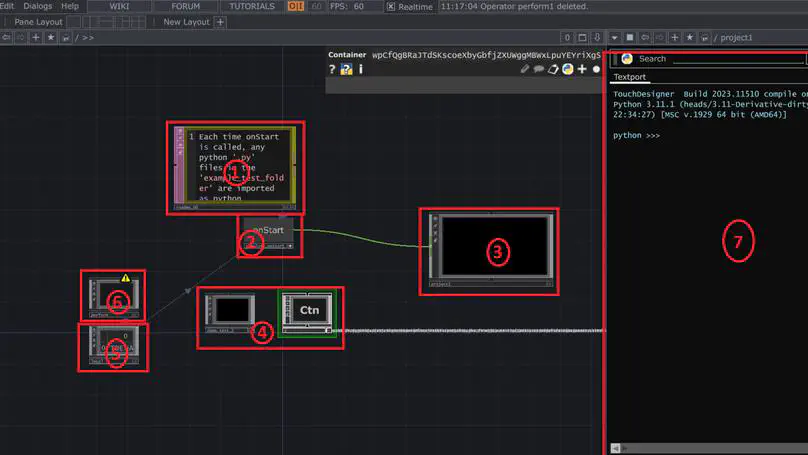
As creative coding in interactive art becomes increasingly popular in the digital art world, the need to test work to ensure that it matches the artist’s expectations is essential. The problem is that the programs supporting these works can behave unexpectedly or cause problems. Some studies have shown that is possible to test these projects manually, but the use of automated tests has been little studied. The research aims to explain to what extent it is possible to implement automated tests for functional and performance testing in interactive installation projects using hybrid development tools. To answer this question, we performed a case study on the Wall of fame project in TouchDesigner. Observations on automated test experiments and an interview were made. The results of the observations showed that it was possible to carry out functional and performance tests with limitations on the reliability of the data. Difficulties were identified : TouchDesigner dependencies, operator limitations, user interface interactions, lack of native test environments, performance test limitations and maintenance difficulties. Solutions have also been found to resolve these issues.
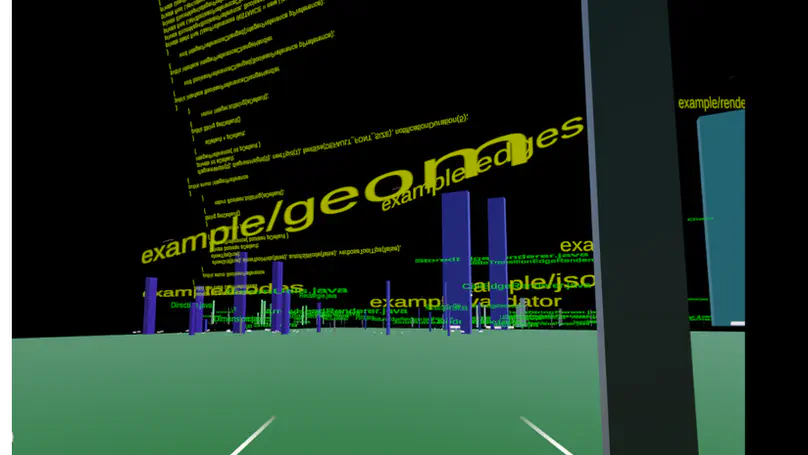
Learning to program, and especially understanding it, is a difficult task for newcomers. For this rea- son, aids are provided, such as IDEs, which give them tools to help them avoid syntax and/or semantic errors, depending on the programming languages used. depending on the programming languages used. However, these aids are not always sufficient to understand the written code, and more often than not, they fail to to understand the errors generated and their causes. For this purpose, code comprehension tools are available to help visualize the code. Some advances have even made it possible to use this through virtual reality. That’s why, with the advent of MR, a draft code visualization application has been proposed. This solution, called codeMR, makes it possible to represent code in 3 dimensions following the city’s paradigm, codeCity. To test its viability, an experiment was carried out with 10 people to see if it could a future for understanding code through the mixed reality. The results showed that the solution had the capabilities to help code comprehension. However, improvements to the application are still required to ensure optimal use in this context.

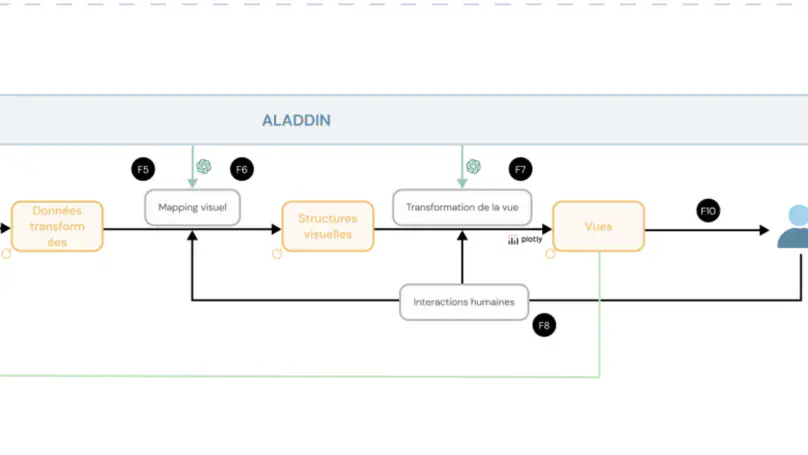
This dissertation explores the impact of using natural language in the visualisation of open datasets, focusing on the design and evaluation of Aladdin, a system based on the DSR approach. Aladdin uses advanced natural language processing techniques to transform text queries into interactive data visualisations.